the lettuce culture has a short vegetation period (45-50 days) and is resistant to cold. It is mainly cultivated in early spring and late autumn in the field or solariums. the lettuce culture is a little pretentious in terms of heat, the seeds germinate at 5-10 degrees Celsius and the plants sprout in 6-10 days after sowing.
the optimal temperature for the growth of leaves and the formation of buds is 16 degrees Celsius and for the formation of floral clusters and flowers above 20 degrees Celsius.
Culture Preparation:
Lettuce is generally cultivated through seedlings, but it can also be sown directly. for establishing the culture, vigorous seedlings aged 25-30 days are used, which must be uniformly developed. For fall planting crops, sowing is done at the end of August and planting is done at the end of September. for crops sown in January, planting is done at the end of February. In the case of crops in greenhouses and solariums, sowing is also done in stages, between August 15 and January 20.
land preparation is done in the fall for the crops that are to be established in early spring, or a few days before sowing or planting for the crops that are to be established in the fall, creating a well-crumbled soil. before planting, organic fertilizers such as Italpolina or Orgevit 25 kg/80 sq m are incorporated into the soil. It is recommended to stake the land, with stakes of 125-150 centimeters. Plant 4 equidistant rows or strips of two rows on the bilona. the distance between strips is 40 cm, between rows is 20 cm and the distance between plants per row is 13-18 cm.
Seedlings must have 4 true and well-developed leaves at the time of planting. 3-4 days after planting, the gaps are filled with new plants. when the frost comes, the plants must be well rooted and
have 5-6 well-formed and quality leaves.
Irrigation and Fertilization:
Lettuce is a demanding plant in relation to humidity, especially during the emergence and formation of the heads.
Insufficient soil moisture and high temperatures lead to low yields and stimulate the formation of floral stems.
irrigation is done by drip (preferred) or sprinkling. In the first days after planting, frequent watering with reduced amounts of water is recommended, after which the amounts of water applied increase until harvest and the irrigation must be constant because the lettuce does not have a strong root system.
root and leaf fertilization for lettuce is an important condition for the development of a strong root system, increased frost resistance and harmonious development of the plant. The fertilization program is established based on the soil analysis.
the fertilization program is established based on the soil analysis. Considering an average soil, with pH 6-7, we can recommend
the salad has few requirements and is also popular for people with less green fingers [Photo: Rawpixel.com/ Shutterstock.com]
Lettuce (Lactuca sativa) can’t be fresher than straight from your own garden. luckily, lettuce is extremely easy to grow and even people without green fingers can do it. .and those who plan their growing wisely and use several types of lettuce in the garden can even harvest and enjoy lettuce from their own growing almost year-round. in our article, you can find out when is the best time to harvest, how you can do it best and how you can keep your salad fresh longer.
(Lactuca sativa) should not be at all. luckily, lettuce is extremely easy to grow and even people without green fingers can do it. .and if you plan your cultivation skillfully and put several types of lettuce in the garden, you can even harvest lettuce and enjoy it from your own cultivation almost all year round. in our article you can find out when is the best time to harvest, how you can do it best and how you can keep your salad fresh longer.
WHEN SHOULD YOU HARVEST LETTUCE GREENS?
The best time to harvest lettuce is in the afternoon or evening. the reason for this is the different nitrate content of the leaves at different times of the day. Nitrate content is higher in the morning than in the afternoon and evening.
Harvested salad.
Apart from this, the harvest time also differs for different types of lettuce. lamb’s lettuce (Valerianella locusta) can be harvested from late February if grown over winter. The same goes for winter endive (Cichorium endivia). Early lettuce or chopped lettuce (Lactuca sativa varcrispa) can be harvested from the end of April and the beginning of May.in the summer months, lettuce (Lactuca sativa var.capitata), oak leaf lettuce (Lactus sativa var.crispa) can be harvested between May and September or between June and July and iceberg lettuce (Lactuca sativa var.capitata nidus tenerimma) between July and September. Romanian lettuce (Lactuca sativa var. longifolia) can be harvested between July and September. Batavia lettuce (Lactuca sativa Crisphead group) is also ready for harvest between June and October. in autumn you can then harvest winter endives and lamb’s lettuce, in winter you can still harvest lamb’s lettuce.
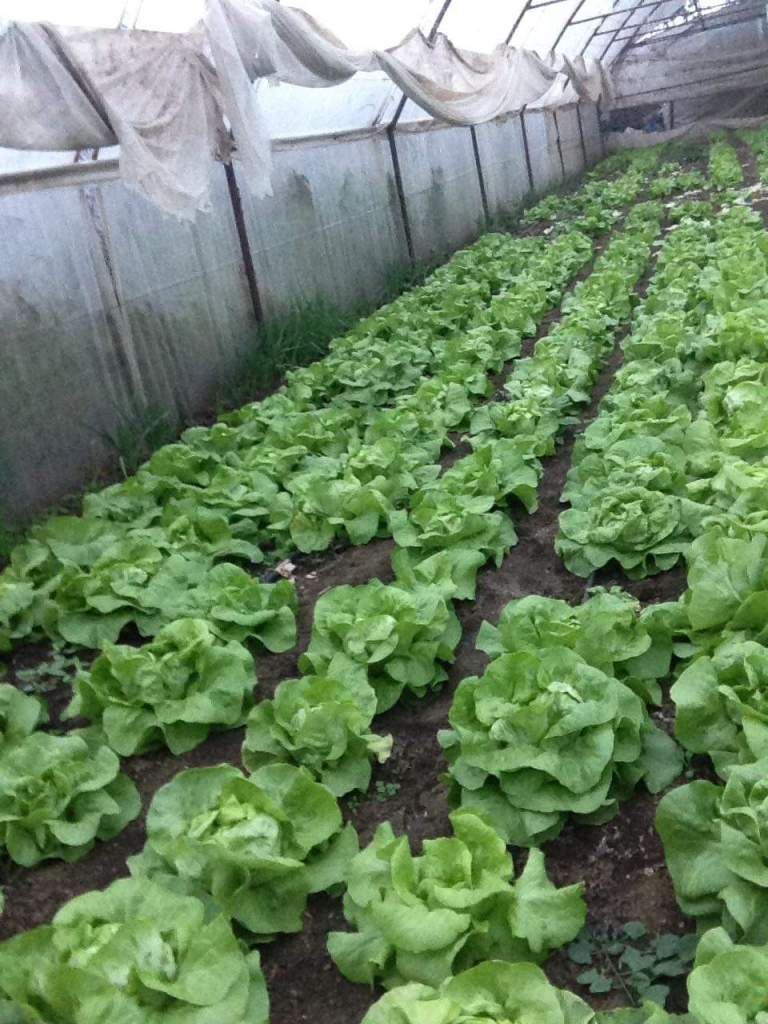
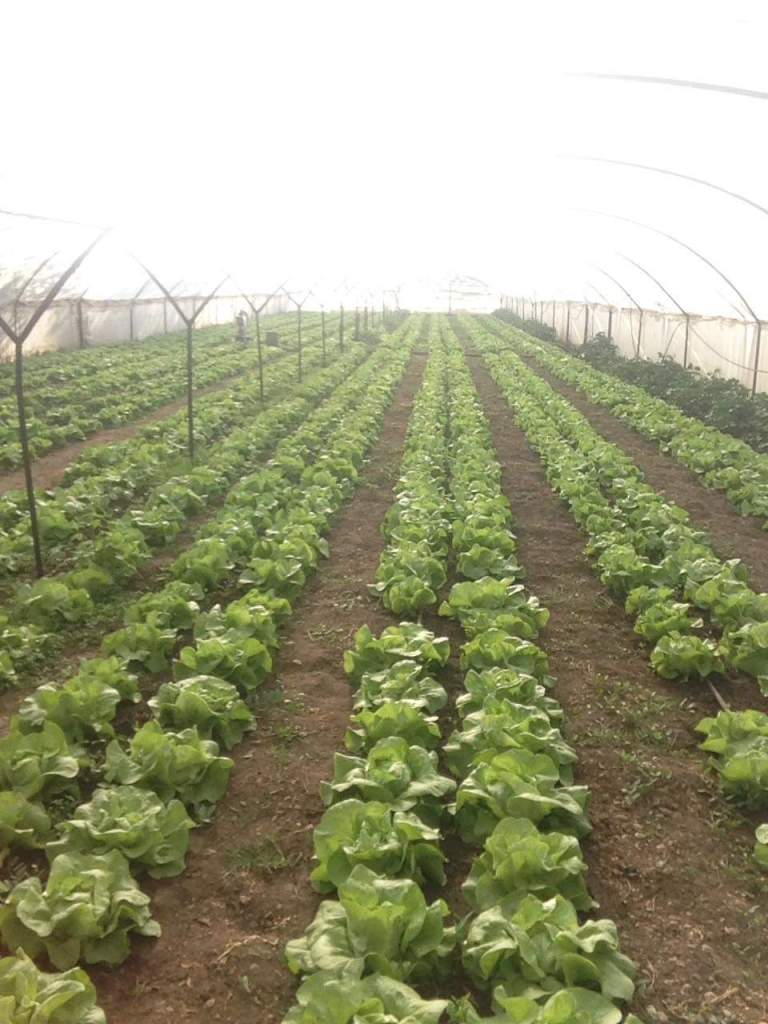
The most cultivated variety of lettuce is Touareg. It is a variety with fast growth and the lettuce reaches a weight of 250-350 grams. It is a well-developed variety, I will leave you some pictures of my lettuce culture.
 Culture, tradition and economy!
Lasă un comentariu